1. Confirm the property is released
If police were involved, cleanup starts after they release the space. The owner or family can check with the agency.
Kingsley, MI · Grand Traverse County
Business owners in Kingsley who find syringes in a restroom or storeroom can call (877) 812-4220. A cleanup team can remove sharps and residue and clean the room before it reopens.
If anyone is in danger, call 911 first. For a suicide crisis, call or text 988.
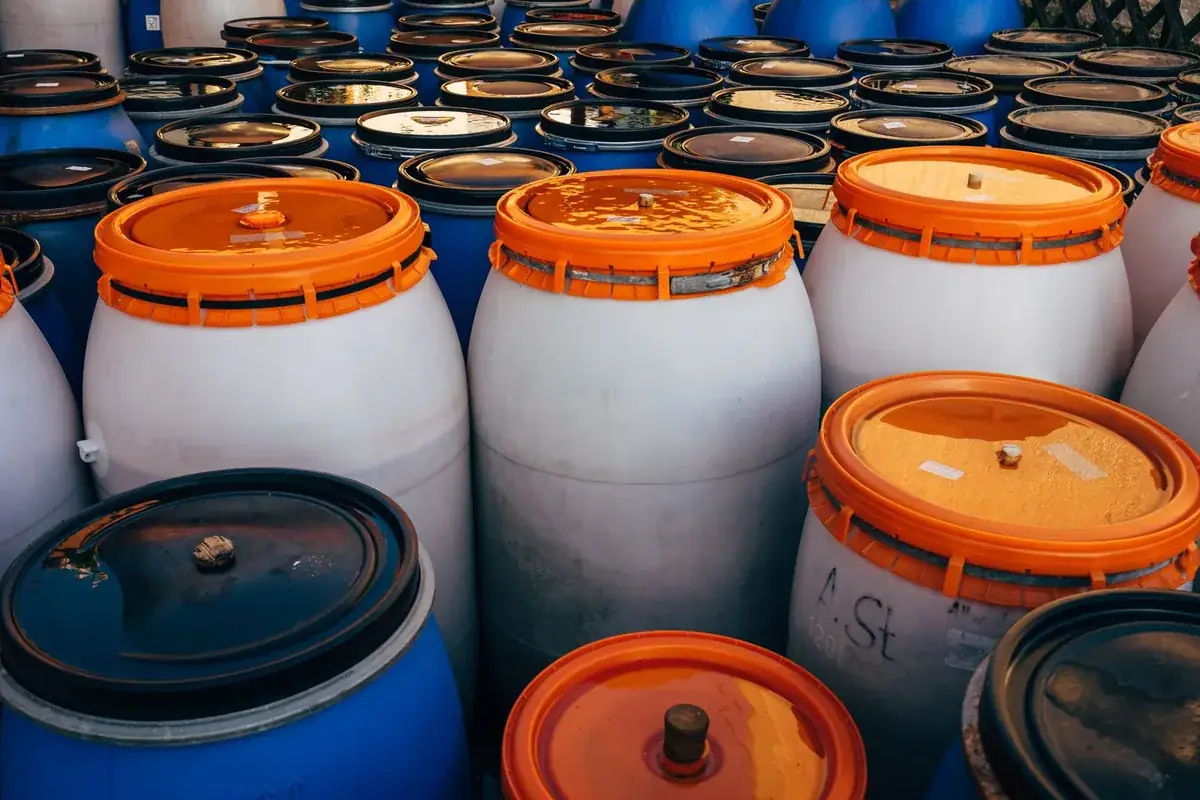
Biohazard cleanup for drug use covers removal of contaminated items, decontamination of surfaces, disposal of soft materials that cannot be cleaned and treatment of lingering odor.
If you run a hotel, motel or small business in Kingsley, you can get focused cleanup of rooms and restrooms where drug items were left behind. Call Kingsley Biohazard Cleanup Help. Crews work quickly and discreetly across Grand Traverse County.
A vacancy rate near 14% in Grand Traverse County means more empty houses and lots, which are common places for discarded items to be found. Emergency care for people in Kingsley is available at Munson Medical Center in Traverse City. Cleanup can wait until everyone is safe.
Drug Paraphernalia Cleanup in Kingsley usually includes:
If police were involved, cleanup starts after they release the space. The owner or family can check with the agency.
Cleanup technicians use puncture-resistant gloves and tools. Unknown powders are never swept or vacuumed dry.
Contaminated materials are bagged and carried out. Rebuilding or replacing them can wait until the space is clean.
The crew cleans, checks, and walks the owner through what was done and what still needs attention.
The cost of drug paraphernalia cleanup in Kingsley, MI depends on the amount of material, how it is packed and how it is hauled.
How many items and sharps are present changes the scope, because each needle has to be found, lifted and sealed.
| Type of job | Typical range |
|---|
Published ranges only (); every drug paraphernalia cleanup job in Kingsley is priced after an on-site look. Price drivers include amount of material, whether residue is present, surfaces affected, waste disposal. Questions? Call (877) 812-4220.
It can. Once soiled items are removed, a team can treat lingering odor in the air and on surfaces. Ask what methods the team uses and whether odor treatment is part of the plan or a separate step.
The owner of the property usually pays at first. Lease terms and local law decide who is responsible in the end. A landlord, an attorney or a tenant rights group can say. Keep any record the cleanup team gives you, since a landlord or insurer may ask for it.
A single room can be cleared quickly, while a house with hidden items, soiled carpet and odor takes longer. The time depends on the amount of material and access. A team can give a realistic idea after hearing the details.
Vehicles can hold syringes, residue and odor in seats, carpets and vents. Ask whether the team cleans vehicles and how soft materials are treated. Crews use the same protective gear and sealed containers as in a building.
It is safer not to. You often cannot tell what an item or residue is, and hidden sharps are a risk. Do not mix cleaning products. A cleanup team has the protective gear and containers to do it safely, without judgment.
It can be. Used syringes and other sharps can carry bloodborne germs, and residue can harm people who touch or swallow it. A cleanup team can look at what is there and explain how it should be handled. Do not touch it until then.
Describe what you found and ask how removal and cleaning would work.
Call (877) 812-4220